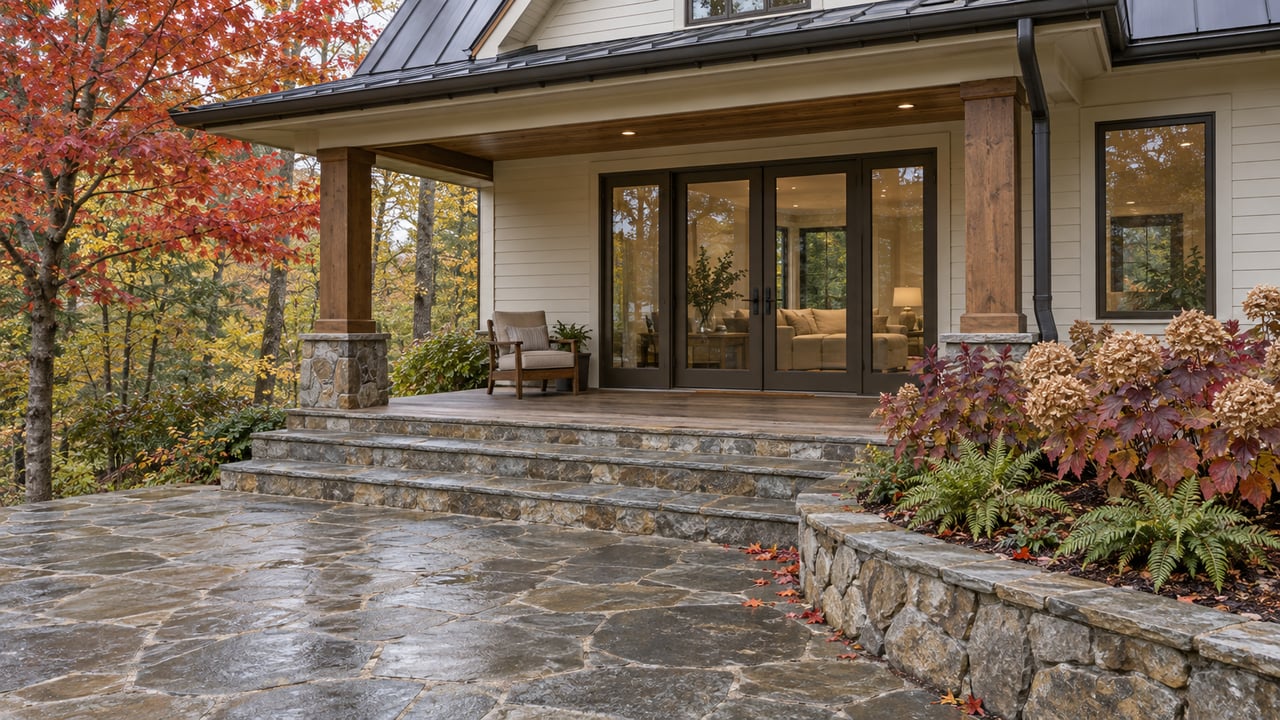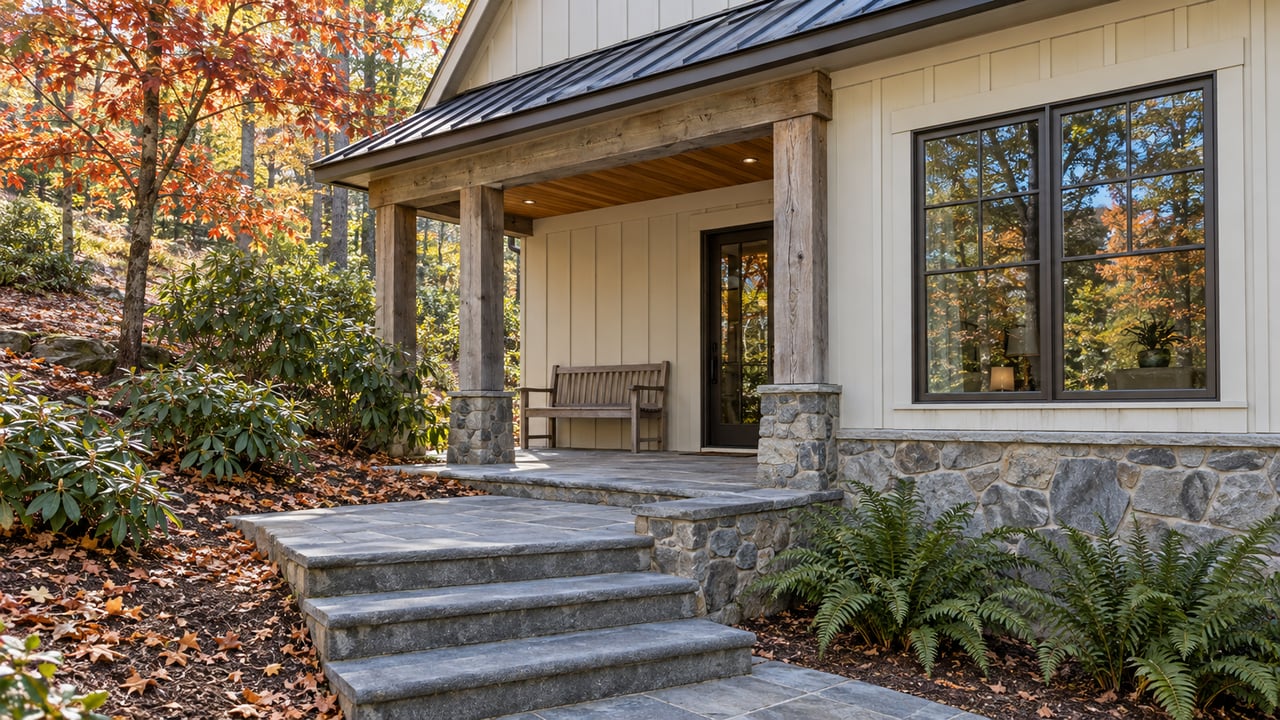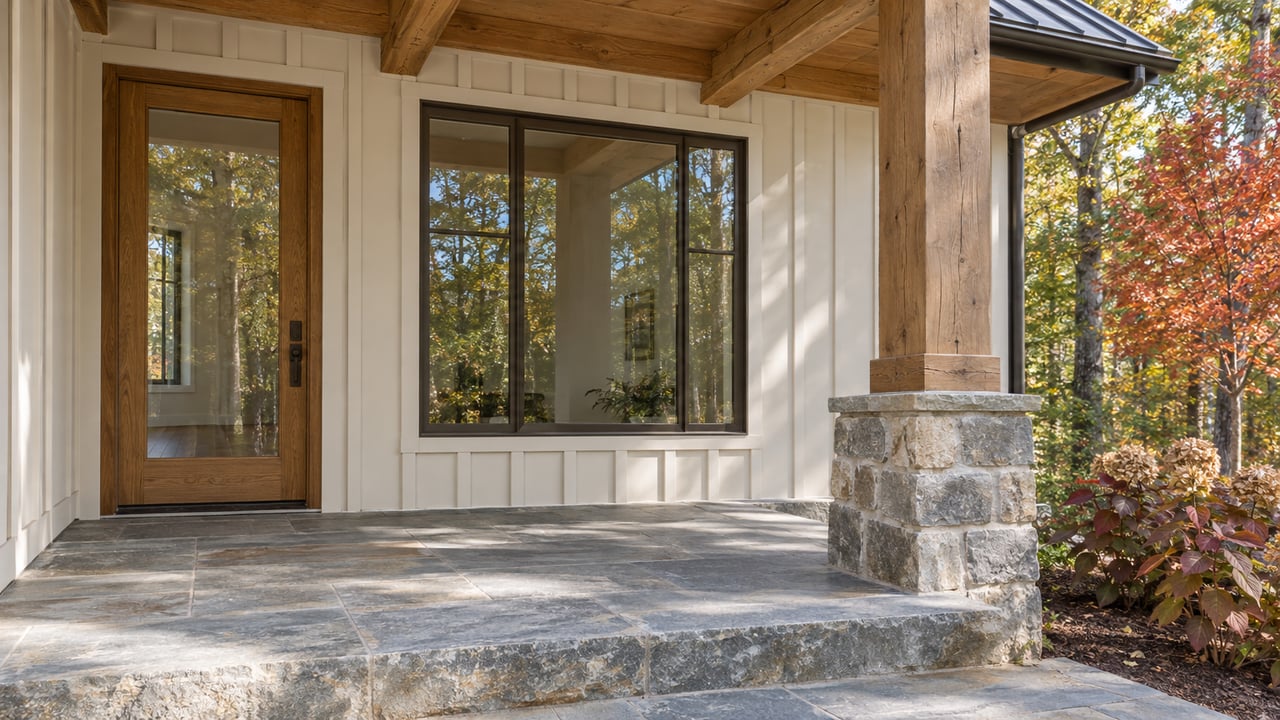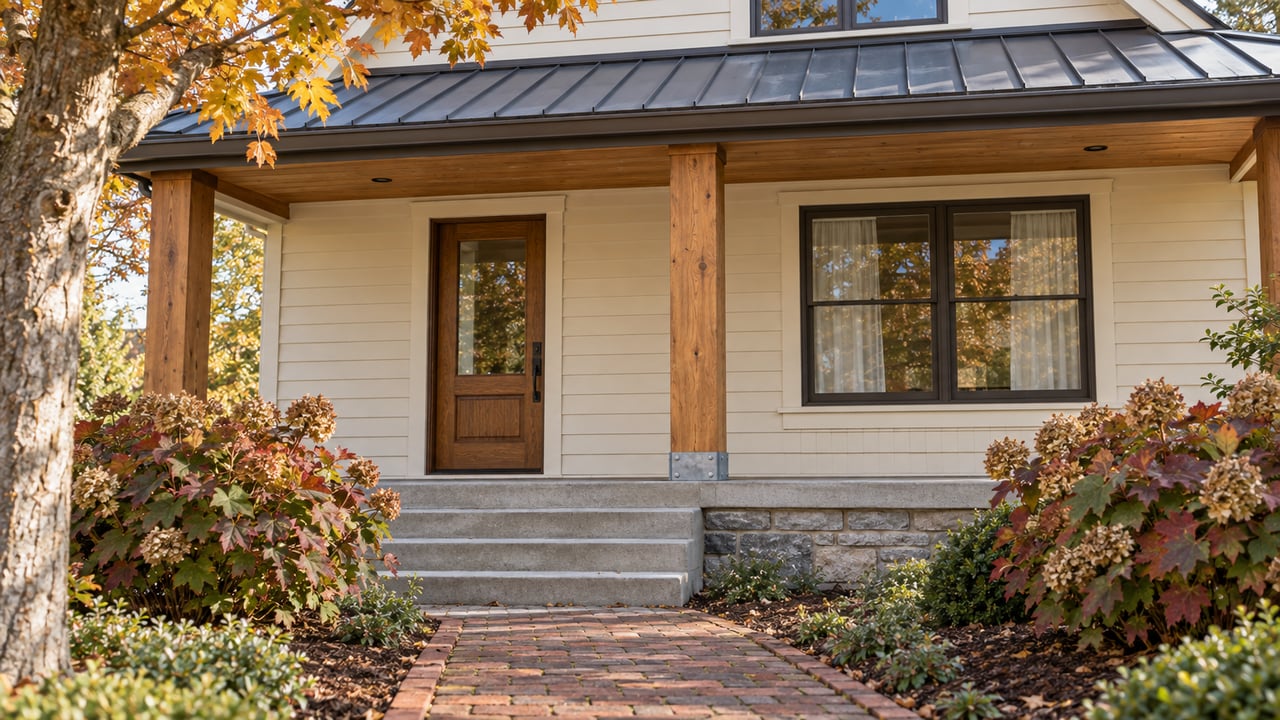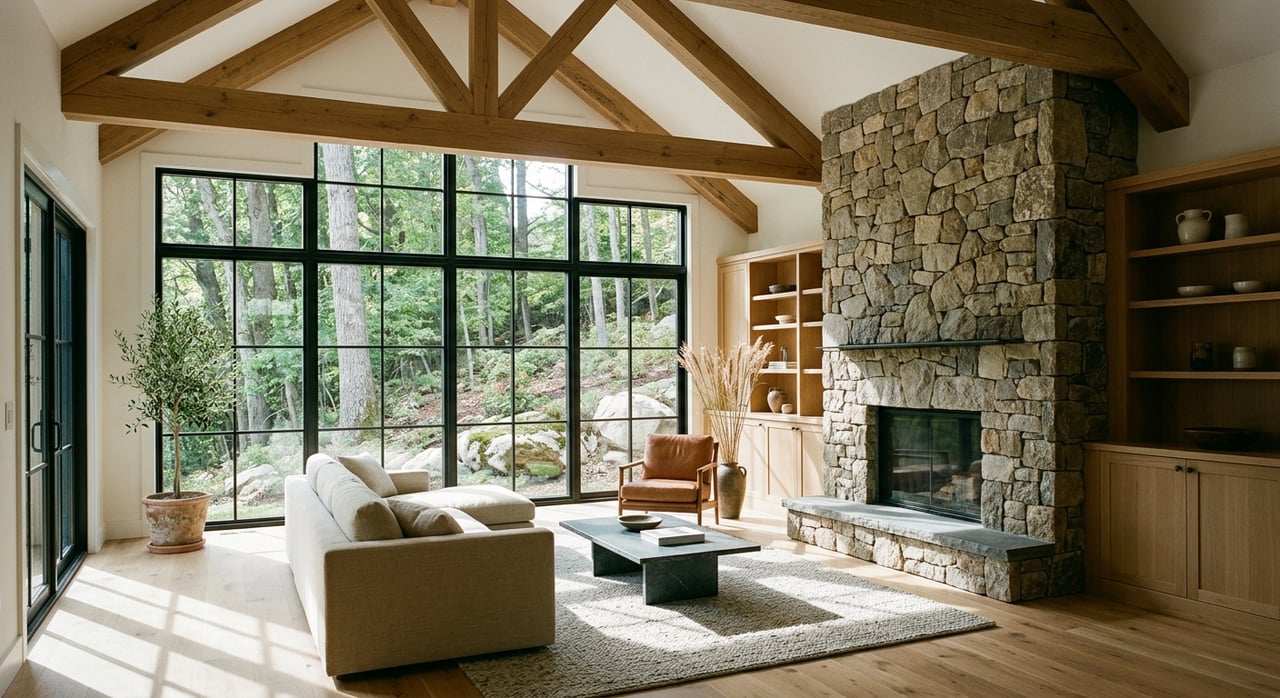
Is your Hendersonville home hard to compare to anything else on the market? If you own a property with mountain views, acreage, custom architecture, or a setting that tells its own story, you may already know that selling it takes more than a standard listing approach. In this guide, you’ll learn how to price, prepare, and market a one-of-a-kind home in Hendersonville with the kind of detail today’s buyers expect. Let’s dive in.
Why unique homes need a different strategy
A distinctive home can stand out in all the right ways, but that does not automatically make it easy to sell. In Hendersonville, the market is not in a simple rush-to-buy phase, which means buyers often have time to compare options and ask deeper questions before making an offer.
As of spring 2026, local data showed a balanced market in Henderson County, with median days on market around 49 countywide and 42 in Hendersonville according to Realtor.com. Canopy’s April 2026 update for the City of Hendersonville also showed 4.3 months of inventory and 62 days on market until sale, which points to a market where presentation, pricing, and documentation matter.
Hendersonville pricing takes context
Location shapes value differently
For a one-of-a-kind home, square footage is only part of the story. In Henderson County, local submarkets show a wide pricing range, from a median listing price of $350,000 in East Flat Rock to $862,400 in Zirconia, with Flat Rock at $700,000 and Mills River at $770,000.
That spread tells you something important. Buyers are weighing setting, privacy, views, acreage, and community context along with the home itself, so pricing has to reflect how your property fits its exact location.
Generic comps can miss the mark
If your home has unusual design features, a long-range view, creek frontage, extra land, or a private homesite, the nearest recent sale may not be a true comparison. A pricing strategy for a distinctive Hendersonville property should account for features that are hard to duplicate, while still staying grounded in what buyers in this market are actually willing to pay.
Overpricing can lead to longer market time and stale interest. Underpricing can leave money on the table, especially when a property’s setting or development potential adds value that is not obvious at first glance.
What buyers will scrutinize
Land and site details matter
When a home includes acreage or a custom mountain setting, buyers usually look beyond the finishes. They may ask about soil conditions, drainage, erosion, utility lines, wells, septic systems, and flood exposure, especially if the property feels more land-driven than neighborhood-driven.
That buyer behavior lines up with the questions raised in North Carolina’s vacant land disclosure materials. Even when you are selling an improved property, those same practical issues often shape buyer confidence.
Jurisdiction is not always obvious
In Hendersonville, the next question is often which local office has authority over the property. Depending on whether the home is in city limits, the ETJ, or unincorporated Henderson County, different reviews or records may apply.
The City of Hendersonville notes that city limits and ETJ properties require city zoning review, even though building permits and inspections are handled through the county by contract. That is why sellers should verify jurisdiction early instead of making assumptions.
Historic and community rules can affect appeal
If your home is older or architecturally distinctive, exterior work may have been subject to added review. The City of Hendersonville says exterior work in a local historic district may require a Certificate of Appropriateness.
For homes in planned communities, buyers may also want clear information on owners’ association rules, mandatory covenants, transfer fees, and amenity restrictions. Under North Carolina law, those disclosures can be directly relevant in a sale.
Gather records before you list
One of the best ways to build trust with buyers is to be ready with documentation. A unique home often invites more questions, so having records organized upfront can help reduce uncertainty and keep a deal moving.
Key documents to collect
Before listing, it helps to gather:
- Surveys, plats, deeds, and easement information
- Tax records and property maps
- Zoning information and any zoning verification documents
- Well permits, inspection records, and repair history if applicable
- Septic permits, system records, maintenance history, and repairs if applicable
- Drainage, erosion, or soil reports if available
- Floodplain information and past flood-related documents if applicable
- HOA or covenant documents, fees, and transfer information if applicable
- Records tied to additions, alterations, or other permitted work
Henderson County GIS resources can help pull maps, aerials, tax data, deeds, plats, land transfers, and easements. The city planning portal also includes tools tied to zoning verification, site review, variances, and floodplain development matters.
Disclosure timing matters in North Carolina
North Carolina’s Residential Property Disclosure Act requires disclosure statements to be delivered no later than when the buyer makes an offer. If disclosures are not delivered on time, the buyer may have a statutory right to cancel within the allowed window.
If something material changes or a prior disclosure becomes inaccurate, the seller must promptly correct it. State law also allows owners to rely on written reports from public agencies or licensed experts, which is one reason professional surveys, inspections, engineering input, and septic or well documentation can be so valuable.
Verify floodplain, septic, and well issues
Floodplain questions can affect buyer interest
In mountain and creek-adjacent settings, flood exposure is often one of the first practical questions buyers ask. Henderson County floodplain resources link to FRIS, and the City of Hendersonville says FRIS is one of the best tools for checking whether a property sits in a floodplain.
The city also participates in the National Flood Insurance Program and regulates fill and encroachments in flood hazard areas. If floodplain conditions apply to your property, clear information can help buyers understand the facts instead of guessing worst-case scenarios.
Keep septic and well records together
Private wells and on-site wastewater systems are regulated at the state level with local health department involvement. Because of that, buyers often want more than a simple yes or no answer about how these systems work.
If your property has a well or septic system, gather permits, operation records, inspection results, and repair history in one place. That kind of preparation can make your listing feel more credible and complete.
Make the home easy to understand
Storytelling should be factual
A one-of-a-kind property can be exciting, but buyers still need clarity. Strong marketing should explain what makes the home special in a way that is grounded, specific, and easy to verify.
That may include the setting, approach, privacy, outdoor spaces, design intent, flexibility of use, or how the home connects to the land. The goal is not hype. The goal is helping the right buyer quickly understand why this property is different.
Good visuals are not optional
Presentation carries real weight in today’s market. NAR’s 2025 staging report found that 83% of buyers’ agents said staging made it easier for buyers to visualize a future home, 49% said staging reduced time on market, and 29% reported a staged home brought a 1% to 10% increase in offered value.
The same report found buyers’ agents viewed photos, physical staging, videos, and virtual tours as highly important. For a Hendersonville home with views, acreage, or unusual architecture, your first images should show the setting and defining features right away.
Design details deserve translation
Not every buyer will instantly understand custom materials, unusual floor plans, or architecture that was designed around the land. Thoughtful marketing can bridge that gap by showing how the home lives day to day and why its design choices matter.
That is especially important when a property appeals to a narrower buyer pool. Clear visual storytelling can widen interest by making the home feel more approachable without flattening what makes it special.
Why local expertise matters
Selling a distinctive home in Hendersonville usually means balancing emotion with due diligence. You want a buyer to feel the property’s character, but you also need someone who can help surface zoning, floodplain, septic, well, permit, and covenant issues before they become surprises.
That blend of skill matters here because county and city systems both play a role, and state law puts real weight on timely, accurate disclosure. A knowledgeable local team can help you frame your property honestly, prepare the right records, and position the home in a way that speaks to both lifestyle and practicality.
A smarter path to market
If your home is difficult to price, hard to compare, or tied to land features that need explanation, a standard approach may not be enough. You need a plan that respects the property’s setting, answers buyer questions early, and presents the home with clarity.
That is where a locally rooted team can make a difference. If you’re thinking about selling a one-of-a-kind home in Hendersonville, TFM Carolina can help you build a strategy that fits the property and the market.
FAQs
What makes a home one-of-a-kind in Hendersonville?
- In Hendersonville, a home may be considered one-of-a-kind because of its architecture, views, acreage, privacy, historic character, creek or mountain setting, or location within a specific community context.
How long can it take to sell a unique home in Hendersonville?
- Local market data from spring 2026 showed median days on market ranging from about 42 in Hendersonville to 49 in Henderson County, with Canopy reporting 62 days on market until sale for the City of Hendersonville in April 2026, so timing can vary based on pricing, presentation, and property complexity.
What records should sellers gather for a distinctive Hendersonville property?
- Sellers should gather surveys, plats, deeds, easement records, zoning information, permit records, floodplain information, and any well, septic, drainage, erosion, or HOA documents that apply to the property.
Why do buyers ask so many questions about land in Hendersonville?
- Buyers often ask about soil, drainage, erosion, utilities, wells, septic systems, and flood exposure because mountain-area and acreage properties can have site-specific conditions that affect use, maintenance, and future plans.
Do Hendersonville sellers need to verify city or county jurisdiction?
- Yes. A property may be in city limits, the ETJ, or unincorporated Henderson County, and that can affect which local office handles zoning review, planning questions, or related approvals.
Can historic district rules affect a Hendersonville home sale?
- Yes. For some homes in local historic districts, the City of Hendersonville says exterior work may require a Certificate of Appropriateness, so sellers should understand whether that applies to their property.