Buying your first home in Central Asheville can feel exciting and a little daunting at the same time. Prices are still high, neighborhoods can change block by block, and the right home may ask you to balance walkability, character, updates, and monthly cost. The good news is that today’s market gives many buyers more room to think clearly and make intentional choices. Let’s dive in.
What first-time buyers should know now
Central Asheville is not one single market. It is a collection of smaller areas with different price points, housing styles, and trade-offs, especially as you move between downtown and nearby close-in neighborhoods.
Recent data shows Asheville overall is expensive, but not especially competitive compared with recent years. Redfin reported a March 2026 median sale price of $510,000, about one offer per home, and 122 days on market. Zillow’s April 2026 snapshot showed a typical home value of $461,425, 840 homes for sale, and a 64-day median time to pending.
That matters if you are buying for the first time. In many cases, you may have more time to compare options, ask questions, and avoid the kind of rushed decisions that were common during the pandemic-era market.
Central Asheville prices vary widely
If you are focused on Central Asheville, it helps to think in micro-markets instead of one average number. Downtown and nearby neighborhoods can be very different in both price and housing type.
Realtor.com’s December 2025 downtown Asheville snapshot showed a median home price of $936,995, with 59 active listings, a 97% sale-to-list ratio, and a 100-day median market time. In nearby urban areas, reported median prices ranged from $330,000 in Shiloh to $387,000 in Beverly Hills, $459,950 in Kenilworth, $550,000 in Five Points, and $895,000 in the Montford Area Historic District.
For you, that means a broad search can create more opportunity. A short drive or a shift in housing style may open up very different options without taking you far from the central part of the city.
Housing choices come with trade-offs
One of the biggest first-time buyer lessons in Central Asheville is this: you will likely be choosing between location, size, condition, and price. Few homes will check every box.
The Asheville Area Chamber of Commerce describes downtown Asheville as a place where lofts and condos offer walkable access to the city center. In nearby areas, you may find craftsman bungalows, brick ranches, cottages, multifamily options, and other home styles depending on the neighborhood.
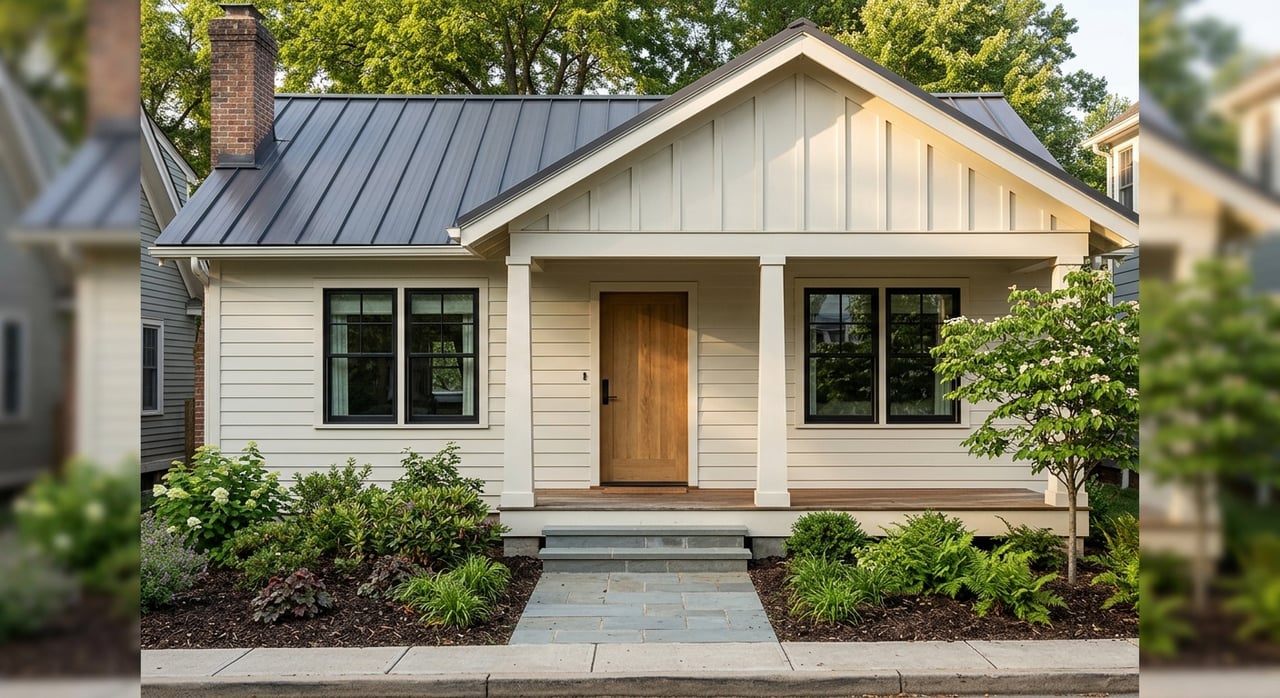
Kenilworth is a good example of how varied Central Asheville can be. According to the City of Asheville, the neighborhood includes 1920s Spanish-style villas, Tudor homes, Craftsman bungalows, later ranch homes, modern homes, and multifamily properties. That variety can be appealing, but it also means each home needs to be evaluated on its own condition and fit.
Walkability versus space
The closer you get to downtown and the urban core, the more likely you are to find homes with smaller lots, attached living, older layouts, or limited storage. In exchange, you may gain easier access to daily amenities and a more connected in-town lifestyle.
If you move a bit farther out, you may find more square footage, more yard space, or newer construction. The trade-off is that you may give up some of the convenience and feel that drew you to Central Asheville in the first place.
Character versus updates
Older homes can have charm, mature landscaping, and details that are hard to replicate. They can also come with deferred maintenance or systems that need attention.
In Central Asheville, it is wise to budget separately for repairs and updates. Roofs, HVAC systems, windows, electrical work, and drainage issues can affect your true cost of ownership, even if the list price looks manageable.
Build your budget around monthly cost
In Asheville, list price is only one part of the financial picture. Your monthly payment can shift meaningfully based on mortgage rates, taxes, assessments, dues, and repair needs.
Freddie Mac reported a 30-year fixed mortgage average of 6.36% on May 14, 2026. At the same time, Buncombe County’s 2020 to 2024 median household income was $74,436, while Asheville city’s was $71,102. Those numbers help explain why many first-time buyers need to focus less on the sticker price and more on the total monthly payment and cash needed after closing.
Costs to review before you offer
Before you fall in love with a home, make sure you understand these line items:
- Principal and interest based on your loan terms
- Property taxes tied to the specific parcel
- Any HOA dues or condo fees
- Any special assessments that apply
- Insurance costs
- Immediate repair or maintenance reserves
The City of Asheville’s FY2026 property tax rate is 44.19 cents per $100 of assessed value. Buncombe County’s FY2025-2026 adopted ordinance includes 54.66 cents per $100 for the county general fund and 11.00 cents per $100 for the Asheville Local Tax School District. The City also notes that the downtown improvement district is funded through a special tax assessment added to bills within that service area.
Because several layers can affect the bill, it is smart to verify the exact parcel instead of estimating from a citywide average.
Down payment help may be available
If saving for upfront costs has been the hardest part of buying, North Carolina programs may help. The key is to check eligibility early, because not every home or borrower will qualify.
The NC Home Advantage Mortgage offers down payment assistance up to 3% of the loan amount, with a stated income limit of $152,000. The NC 1st Home Advantage Down Payment program provides $15,000 in assistance for eligible first-time buyers or veterans, requires a 640 credit score, and is forgiven 20% per year during years 11 through 15.
The Community Partners Loan Pool can provide up to 25% of the sales price, capped at $50,000, for households at or below 80% of area median income. It also requires homebuyer education and counseling.
One important detail for Asheville buyers is the price cap. A 2025 NCHFA press release stated that the NC 1st program had a sale-price limit of $495,000, which means some homes in Asheville may fall above that threshold.
How to stay competitive without rushing
Even in a market with more breathing room, well-located and updated homes can still move quickly. The goal is not to panic. The goal is to be prepared.
Current data supports a patient but ready approach. Asheville overall is not highly competitive, and downtown Asheville was classified as a buyer’s market in December 2025. Still, a fairly priced home in a strong location can attract attention fast.
Use a clear decision filter
Before you start touring, define your non-negotiables and your flex points. This helps you act with confidence when the right property appears.
A simple filter might include:
- Your target monthly payment
- Your preferred location or distance from daily destinations
- Minimum bedroom and bathroom needs
- Whether you are open to condos, townhomes, or multifamily living
- How much repair work you can realistically handle
- Whether you need to qualify for assistance programs
This kind of planning helps you make trade-offs on purpose, not under pressure.
Pay attention to flood and drainage questions
In and around Central Asheville, flood and drainage issues deserve careful review. This is especially true for homes near rivers, creeks, or lower-lying streets.
FEMA states that the Flood Map Service Center is the official source for flood hazard maps, and the City of Asheville maintains flood and Helene-recovery resources. Before you commit to a property, verify flood zone information and ask questions about past water intrusion and insurance implications.
This step may not be the most exciting part of home shopping, but it can have a major impact on both cost and long-term comfort.
A smart first-home strategy for Central Asheville
If you are buying your first home here, it helps to think less about finding a perfect house and more about finding the right fit for this stage of life. In Central Asheville, that often means making peace with a few thoughtful compromises.
You might choose a smaller condo for a more walkable location. You might choose an older bungalow with character and budget for updates over time. Or you might shift just outside the most expensive core areas to gain more space while staying connected to the city.
That is where local guidance matters. A grounded advisor can help you compare not just price, but setting, condition, monthly cost, and the practical realities of each property. If you are ready to explore Central Asheville with a calm, informed approach, TFM Carolina can help you find a home that fits both your life and your budget.
FAQs
What is the current home price range in Central Asheville for first-time buyers?
- Central Asheville prices vary widely by area. Recent reported median prices ranged from $330,000 in Shiloh to $895,000 in Montford Area Historic District, while downtown Asheville was reported at $936,995.
Is Asheville a competitive market for first-time buyers right now?
- Overall, Asheville is not highly competitive based on recent market data, which suggests many buyers have more time to compare homes. Still, updated and well-located properties can move faster than the broader market.
What should first-time buyers budget beyond the home price in Asheville?
- You should review mortgage payment, property taxes, any HOA dues, possible downtown assessments, insurance costs, and a repair reserve for maintenance or updates.
Are there down payment assistance programs for first-time buyers in North Carolina?
- Yes. Programs mentioned in the research include NC Home Advantage Mortgage, NC 1st Home Advantage Down Payment, and the Community Partners Loan Pool, each with specific income, credit, education, or price-limit requirements.
Why do older Central Asheville homes need extra review?
- Many close-in homes are older and may have more character, but age and renovation needs are separate budget questions. Systems such as roofs, HVAC, windows, and electrical components may need closer evaluation.
How can a first-time buyer narrow down neighborhoods in Central Asheville?
- Start by deciding what matters most to you, such as walkability, space, home style, update level, and monthly cost. Because Central Asheville includes several micro-markets, this approach can help you focus on areas that fit your priorities.