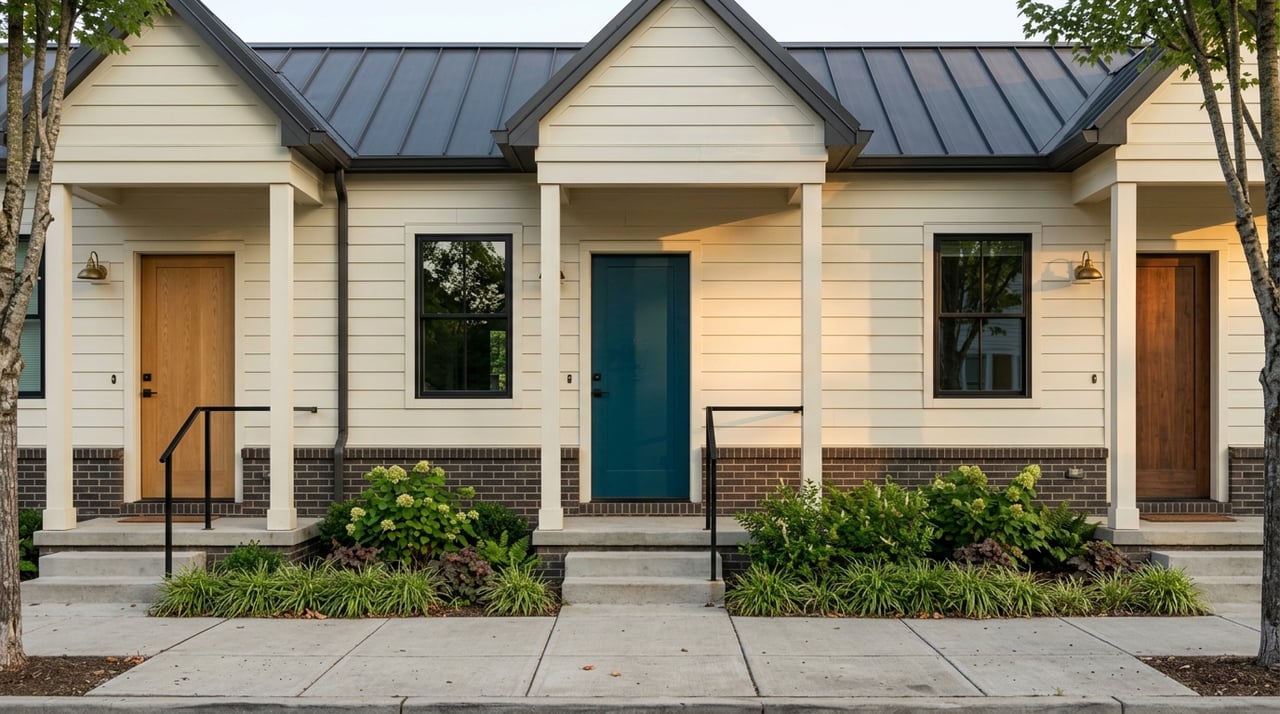
If you want to be close to the energy of downtown Asheville without giving up the feeling of home, the first-ring neighborhoods can offer a surprisingly wide range of choices. You may be picturing a bungalow with a porch, a condo near restaurants and events, or a townhome that lands somewhere in between. This guide will help you understand what living near downtown Asheville can actually feel like, what housing styles you are most likely to find, and how to think about the tradeoffs before you start your search. Let’s dive in.
What Near Downtown Asheville Means
In Asheville, “near downtown” usually means the neighborhoods just outside the city’s core around Pack Square, which the City describes as the heart of downtown and a major social and economic hub. For buyers, that often includes areas like Montford, Five Points, Kenilworth, South Slope, the River Arts District, and West End/Clingman.
These areas do not all feel the same. Some are mostly residential with older homes and sidewalks, while others are more mixed-use, with apartments, condos, restaurants, galleries, and redevelopment activity. That variety is a big part of what makes downtown-adjacent Asheville appealing.
Housing Styles Near Downtown
Historic Houses and Bungalows
If you are drawn to older architecture and established streetscapes, neighborhoods like Montford and Five Points often fit that picture. Montford includes more than 600 buildings, with many late 19th- and early 20th-century homes in styles such as Queen Anne, Shingle, Colonial Revival, and bungalow/Craftsman.
Five Points brings a similar but distinct feel. The City describes it as having many wooden bungalows and Craftsman four-squares built between 1900 and 1925, with sidewalks on most streets. If your ideal home includes mature trees, a front porch, and a neighborhood rhythm that feels residential, these areas often stand out.
Kenilworth’s Mixed Architectural Feel
Kenilworth adds even more variety to the downtown-adjacent mix. According to the City, you can find 1920s Spanish-style villas, Tudor homes, Craftsman bungalows, and later ranch, modern, and multifamily properties.
That mix matters because it means your experience can change quickly from one block to the next. You may find a street with older homes and winding roads, then turn the corner and see a very different housing pattern. If you like character and do not need architectural uniformity, Kenilworth may feel especially interesting.
Condos, Lofts, and Apartment-Style Options
If you want the most urban version of Asheville living, condos and loft-style homes closer to the core may be the better fit. Downtown’s historic district includes a mix of architectural movements and revivals, including Art Deco, which helps create a more layered, vertical feel than the bungalow neighborhoods nearby.
This style of living often appeals to buyers who want easier access to restaurants, events, and everyday errands with less exterior upkeep. You may give up yard space, but you often gain convenience and a more connected-to-downtown routine.
Townhomes and Attached Housing
Townhomes often sit between detached homes and condos in both feel and function. Asheville’s housing planning materials show attached housing as part of the city’s broader effort to support a range of housing types near the urban core.
For many buyers, a townhome offers a practical middle ground. You may get more space and privacy than a condo, while still having less land and exterior maintenance than a detached home. That can be a strong fit if you want a simpler lifestyle without moving into a fully urban building.
How Different Areas Feel Day to Day
Montford and Five Points Feel More Residential
Montford and Five Points tend to match what many buyers imagine when they think of classic Asheville neighborhoods near downtown. They offer older homes, sidewalks in key areas, and a more established residential feel while still being close to the center of the city.
Montford in particular is known for wooded, sloped land, curving streets, and terraced lots. That can create a strong sense of charm and setting, but it can also affect stairs, parking, and how easy daily walks feel.
South Slope, West End, and River Arts Feel More Mixed-Use
If you want a more urban edge, South Slope, West End/Clingman, and the River Arts District often feel different from the bungalow neighborhoods. The City describes West End/Clingman as a mix of apartments, condominiums, modest houses, restaurants, breweries, galleries, public art, and a future greenway.
South Slope is described as a mix of breweries, arts, restaurants, residents, and industrial businesses. The River Arts District is described as a business corridor with studios, retail, bars, restaurants, music venues, and emerging residential development. In practical terms, that means your surroundings may feel busier, more active, and more blended between living, working, and entertainment.
Walkability, Transit, and Parking
Walkability is one of the biggest draws of living near downtown Asheville. The city has been recognized by Walk Friendly Communities, and current city planning continues to emphasize pedestrian safety, walkability, and streetscape improvements downtown.
That does not mean every errand is effortless on foot, especially in hilly areas. Asheville’s topography plays a real role in daily life, and a short distance on a map can feel longer when steep streets or stairs are involved.
Transit is also part of the equation. ART bus service runs throughout Asheville and to Black Mountain, with all routes beginning at the ART Transit Station on Coxe Avenue in downtown Asheville. The City states that service generally runs from about 5:30 a.m. to 10:30 p.m. Monday through Saturday and 8:00 a.m. to 6:00 p.m. on Sundays and holidays.
For drivers, the City operates four downtown parking garages, which helps support downtown access. Even so, living near downtown often feels more car-light than truly car-free, especially depending on your exact neighborhood and routine.
Green Space and Natural Setting
One reason Asheville’s downtown-adjacent neighborhoods feel different from many other urban areas is that green space is still close at hand. The City manages about 9 miles of greenway, and Montford Park sits in the heart of historic Montford.
That balance of compact urban form and nearby natural space is part of the appeal. You can be close to downtown activity while still seeing mature trees, sloped terrain, and pockets of open space that soften the overall feel.
Practical Tradeoffs to Think About
Character Versus Maintenance
Older homes often bring the details people love most, such as porches, original materials, established lots, and unique architecture. They can also come with more maintenance, renovation questions, and fewer assumptions about easy updates.
That is especially important in local historic districts. In Asheville, exterior work in those areas may be subject to design review by the Historic Resources Commission, so it is smart to understand that early if renovation flexibility matters to you.
Convenience Versus Space
Condos and lofts usually offer the simplest maintenance and the closest access to downtown activity. In exchange, you may have less private outdoor space and a more urban environment.
Detached homes usually offer more yard space and a more residential street feel, but they may also come with more upkeep. Townhomes can offer a useful middle path if you want easier maintenance without giving up too much room.
Charm Versus Daily Ease
Asheville’s hills and winding streets add personality, but they also affect everyday comfort. A home with views and a terraced lot may also mean more stairs, tighter parking, or steeper walks.
That is where local guidance matters. It helps to look beyond the photos and think about how the setting will feel on an ordinary Tuesday, not just on showing day.
How To Choose the Right Fit
If you are early in your search, start by asking yourself what kind of daily rhythm you want. Do you want quiet streets, mature trees, and a historic house feel? Do you want low-maintenance living within easy reach of downtown restaurants and events? Or do you want something in the middle?
A simple way to think about it is this:
- Bungalows and older homes often fit buyers who want character, porches, and a more residential atmosphere.
- Condos and lofts often fit buyers who want convenience, walkability, and less exterior upkeep.
- Townhomes often fit buyers who want a blend of space, privacy, and simpler maintenance.
Near downtown Asheville, you are not choosing one single lifestyle. You are choosing from a spectrum that ranges from porch-lined historic streets to mixed-use urban pockets with newer residential options. The right choice depends on how you want your home and neighborhood to support your everyday life.
If you want help sorting through Asheville’s downtown-adjacent options, TFM Carolina brings local residential insight, design awareness, and grounded market guidance to help you find the right fit.
FAQs
What does near downtown Asheville usually include for homebuyers?
- Near downtown Asheville usually refers to the first-ring neighborhoods around Pack Square, including places like Montford, Five Points, Kenilworth, South Slope, the River Arts District, and West End/Clingman.
What housing styles are common near downtown Asheville?
- Common housing styles include historic bungalows, Craftsman homes, Queen Anne and Colonial Revival houses, Tudor and Spanish-style homes in some areas, plus condos, lofts, apartments, townhomes, and other attached housing.
Which Asheville neighborhoods near downtown feel more residential?
- Montford and Five Points are often associated with a more residential feel, with older homes, established streets, and sidewalks in many areas.
Which areas near downtown Asheville feel more urban or mixed-use?
- South Slope, West End/Clingman, and the River Arts District tend to feel more mixed-use, with a blend of residential spaces, restaurants, arts-related uses, and redevelopment activity.
Is living near downtown Asheville walkable?
- Walkability is a major part of downtown Asheville’s appeal, but the city’s hills and sloped streets can make some daily walks more demanding than a map might suggest.
What should buyers know about older homes near downtown Asheville?
- Older homes often offer character and established settings, but in local historic districts, some exterior work may be subject to design review by Asheville’s Historic Resources Commission.